
Here are answers to the questions we hear most often from people thinking about becoming a foster parent. Don’t see yours? Call 484-781-1894 or email Christine Morelli, Coordinator of Home Studies, at gro.v1792857872lafbp1792857872@ille1792857872romc1792857872.
Who can foster
What are the qualifications of foster parents?
To become a foster parent with Pinebrook, you need to:
Working outside the home is fine in many cases, as long as child care is arranged.
Above all, foster parents care about children and enjoy helping them grow, mature and become independent. They are good role models who can nurture and accept a child even when the child’s behavior is hard to accept, and they are flexible, patient and up for a challenge.
Can I foster if I’m single, rent, work full-time or have children?
Yes to all four. Foster parents come from all walks of life.
Your race, gender, sexual orientation, profession or the type of home you live in does not automatically exclude you from becoming a foster parent.
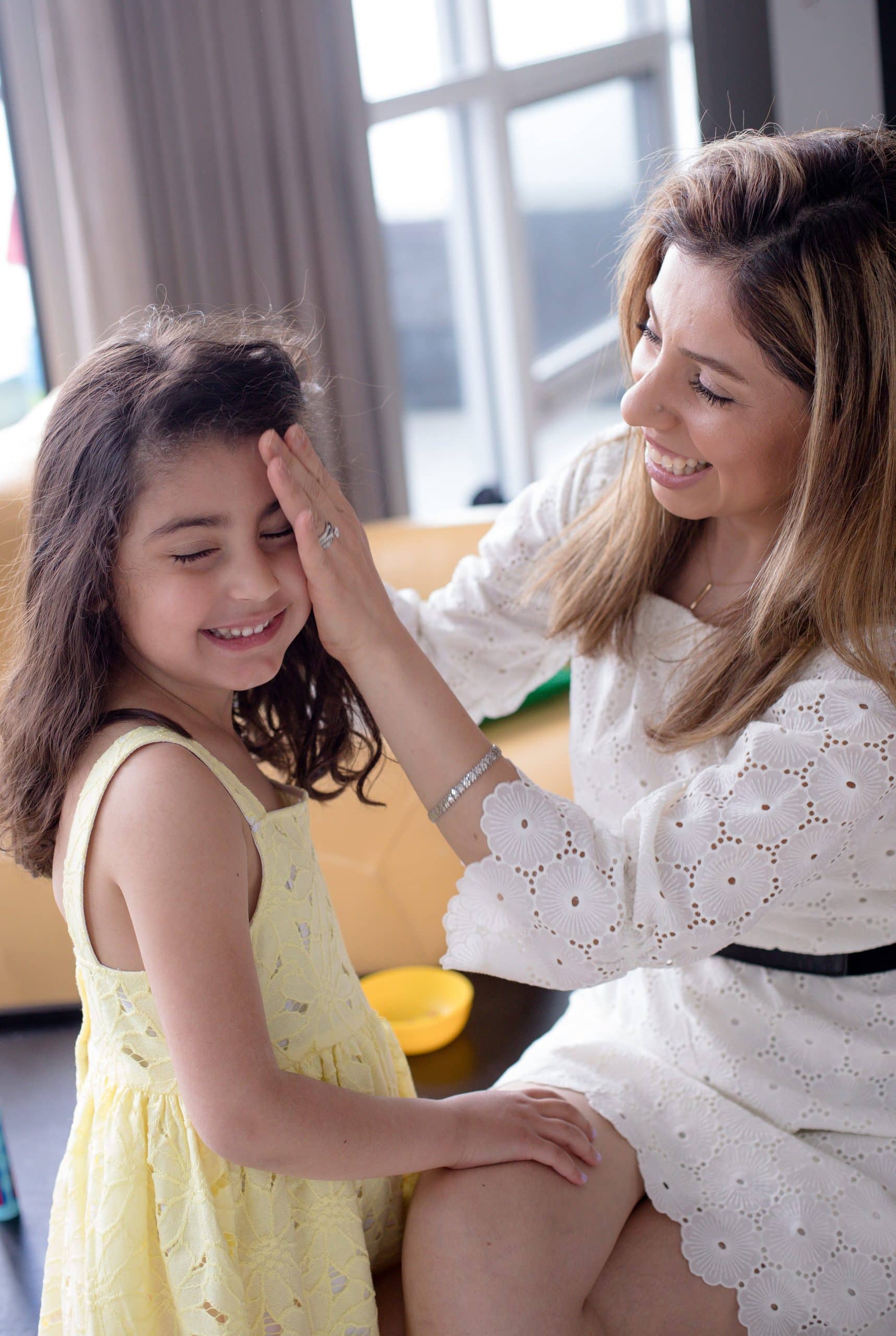
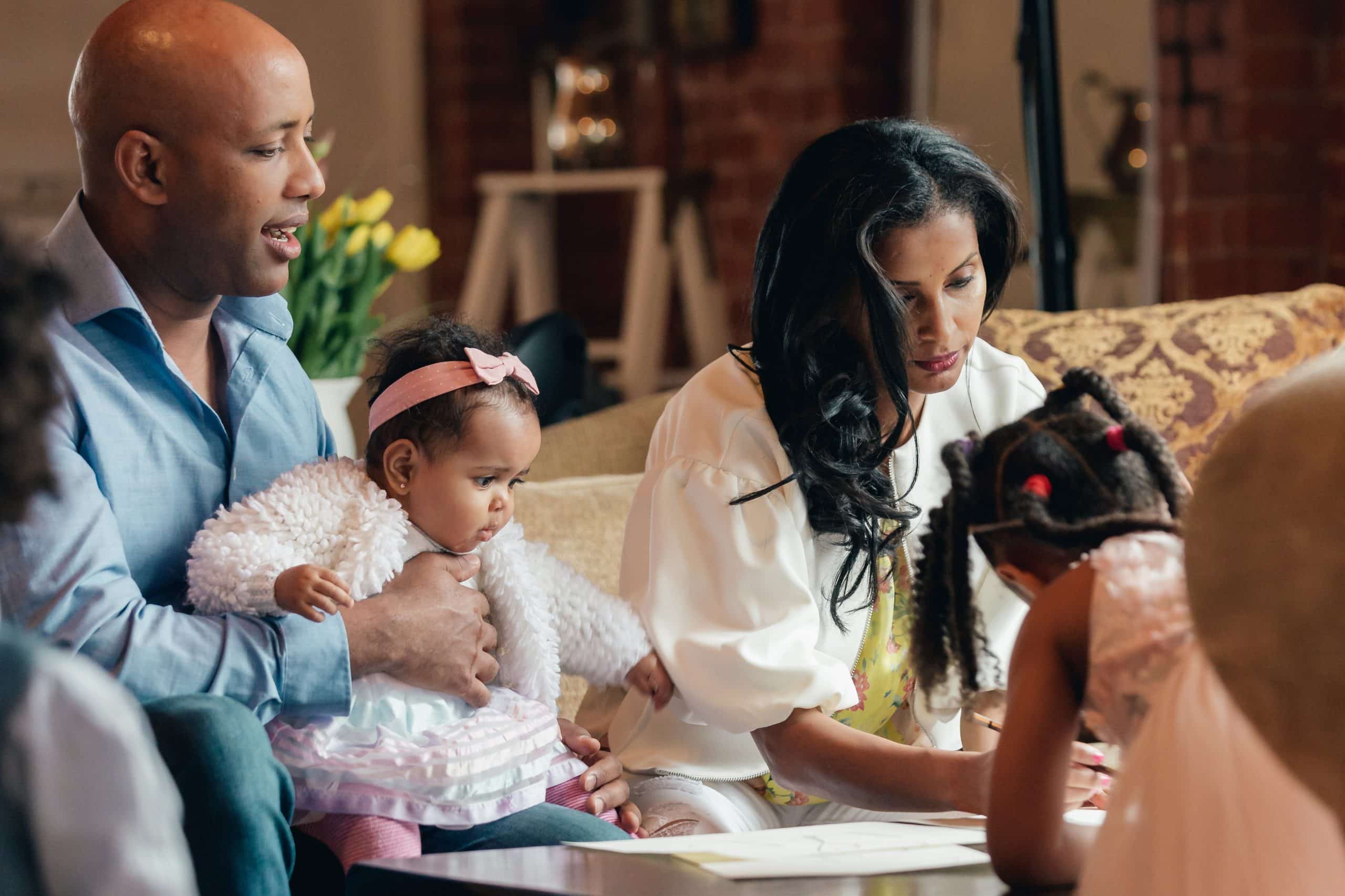
The children
What kinds of children are placed in foster care?
Children in foster care range in age from birth through age 21. They come into care for many reasons — sometimes because of problems at home, sometimes because their behavior has become hard to manage, often both. Every child has lived through the trauma of being separated from family, and many have experienced abuse or neglect. Some are siblings who need to stay together. What they all need is a warm, supportive, loving home where they can heal, grow and thrive.
Who chooses the child for my home?
In our first conversations with you, we’ll talk about the children we work with — including the ages, genders and needs you feel able to help with — and you’ll tell us which children you feel able to care for. When we need a home for a child, we use that information to make a good match. We may also reach out about a child outside those preferences when the need is urgent.
You always make the final decision about whether a child comes into your home.
What to expect
How long does it take to become a foster parent?
Most families are approved within a few months, depending on how quickly training and paperwork come together. The steps are:
- Reach out. Call or email us, or come to a Prospective Foster Parents Meeting to hear how it works and ask questions.
- Apply. Complete an application and the required clearances for every adult in your home.
- Train. Attend pre-service training, where you’ll learn what children in care have been through and how to help them settle in.
- Home study. Christine’s team visits your home and gets to know your family, so we can match you with the children you’re best able to help.
- Approval and matching. Once you’re approved, we begin looking for a child who fits your family.
What support will I have?
You won’t do this alone. Pinebrook foster parents have monthly support group meetings, a welcoming network of other Pinebrook foster families, regular in-home support from dedicated caseworkers, a mentoring program for new foster parents, and access to Pinebrook’s other programs and behavioral health resources.
Is there financial support for foster parents?
Yes. The greatest reward is knowing you’ve made a real difference in a child’s life, but you won’t carry the cost alone. Foster parents receive a monthly reimbursement based on the child’s service level, plus a monthly clothing stipend for each child (and diapers for infants and toddlers), an age-appropriate personal allowance for the child, and mileage for therapy appointments and family visits.
What if a placement isn’t working?
Foster care is a team effort, and your caseworker is there to help work through problems as they come up, with extra support when a child’s needs change. If a placement truly isn’t the right fit for the child or your family, we’ll work with you on a plan, which can include moving the child to another home. Speaking up doesn’t end your role as a foster parent; it helps us find the right match for everyone.
Can I adopt my foster child?
Sometimes. The first goal of foster care is to reunite children safely with their birth families, and foster parents play a big part in that. When a child cannot return home and the court frees the child for adoption, the foster parents who have been caring for the child are often considered first. Pinebrook’s Adoption Services team can explain what that involves.